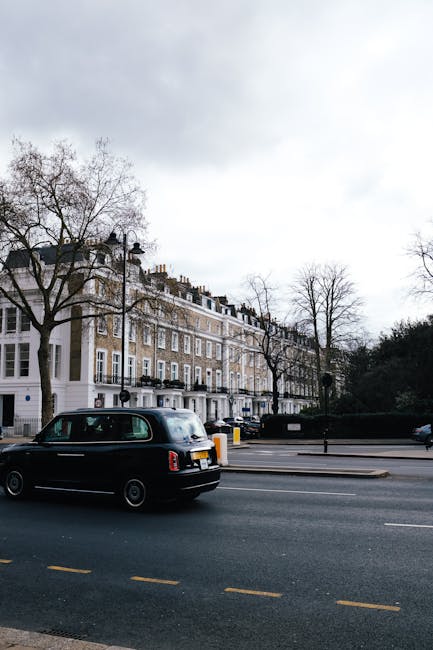
Portman Square to Regent's Park: Marylebone move tips
Moving from Portman Square to Regent's Park can look deceptively simple on a map. It is close, neat, and only a short hop across Marylebone. But anyone who has moved in central London knows the truth: the smaller the distance, the easier it is to underestimate the amount of planning needed. Building access, parking, lift timings, narrow streets, concierge rules, and the sheer number of boxes can turn a tidy local move into a long day if you are not prepared.
This guide brings together practical Marylebone move tips for anyone planning a move between these two well-known pockets of the area. Whether you are downsizing into a quieter flat, moving to be closer to the park, or simply trying to shift a full household without chaos, the aim here is straightforward: help you make the move smoother, calmer, and less expensive than it otherwise might be. And yes, a bit less stressful too. Who would say no to that?
We will cover route planning, packing, access issues, waste and clearance, timing, compliance, and the little decisions that matter more than people expect. If you are also comparing local property options, it can help to read a few wider Marylebone guides such as this Marylebone property buy-sell guide, a buyer-focused Marylebone real estate article, and a local perspective on living in Marylebone. They are useful if your move is tied to a purchase, sale, or lifestyle change.
Table of Contents
- Why this Marylebone move matters
- How the move works in practice
- Key benefits and practical advantages
- Who this is for and when it makes sense
- Step-by-step guidance
- Expert tips for better results
- Common mistakes to avoid
- Tools, resources and recommendations
- Law, compliance, standards and best practice
- Options and comparison table
- Case study or real-world example
- Practical checklist
- Conclusion
- Frequently asked questions
Why Portman Square to Regent's Park: Marylebone move tips Matters
A short local move sounds easy until you start dealing with the details. Portman Square and Regent's Park may sit within the same broader London district, but the moving experience can differ depending on the building, street layout, and access arrangements at each end. That matters because time, not distance, is usually the real cost driver.
Portman Square often involves elegant period buildings, managed estates, and tighter loading arrangements than people expect. Around Regent's Park, access can be complicated by wider roads that still fill up quickly, mews streets, timed restrictions, and properties with stair-only access. If your belongings include awkward furniture, artwork, books, or sensitive electronics, every extra minute counts.
In our experience, people usually assume a local move will be "quick enough". Then they realise they need parking permissions, notice for building management, and a plan for items they no longer want. That is where good Marylebone move planning saves the day. It reduces the chances of delay, damage, and costly second trips.
This also matters if you are moving out of a cluttered property and want a cleaner start in the new place. Services like house clearance in Marylebone, furniture disposal in Marylebone, or even loft clearance support can remove the pressure before the moving van arrives. It is one of those things people leave too late, then regret at 10:30 on a Saturday morning.
How Portman Square to Regent's Park: Marylebone move tips Works
At a practical level, a move between these two areas is a sequence of small operational steps. It is not just "book van, pack boxes, leave". The process works best when you treat it as a short project with separate tasks for access, packing, disposal, transport, and arrival.
First, confirm what kind of property you are moving from and into. A fourth-floor flat with no lift is a very different proposition from a porter-serviced apartment with direct lift access. Then check whether either building requires advance notice, use of a service lift, certificate of insurance, or specific moving hours. Some blocks are relaxed, others less so. A lot less, to be fair.
Next, decide what stays, what goes, and what needs specialist handling. This is especially useful if you have bulky furniture, fragile mirrors, office equipment, or anything you do not want to carry twice. For larger clear-outs, many people pair removals with waste clearance in Marylebone or local rubbish collection so the move-in feels lighter and more organised.
Finally, coordinate the timing. A morning slot is often easier in central London, especially if you want to avoid later congestion, school runs, or the general unpredictability of the day. Sometimes the smoothest move is the one that starts slightly earlier than feels necessary. A bit dull, perhaps, but effective.
Key Benefits and Practical Advantages
There are good reasons to move carefully rather than quickly. The first benefit is simple: less damage. Hallways, banisters, door frames, and furniture corners tend to suffer when people rush. The second is less friction with neighbours and building staff, which matters more in apartment-heavy parts of Marylebone than many people expect.
Another advantage is better use of space. A local move is the perfect moment to question what really deserves the trip. Do you need the old dining chair with the loose leg? Are those boxes of magazines worth moving, or are they just emotional ballast? Truth be told, most moves become easier the moment you stop pretending everything must come with you.
Other benefits include:
- Lower transport complexity than a cross-city relocation, if you plan well.
- Easier cleaning and clearance before handover or move-in.
- Better coordination with building rules when you know the local rhythm.
- Reduced stress on moving day because fewer decisions are left to the last minute.
- More control over disposal and recycling for unwanted items.
For people upgrading, downsizing, or moving between rentals and owned flats, the biggest hidden benefit is headspace. A tidier move means the new place feels like a fresh start, not a bin bag marathon. That counts.
Who This Is For and When It Makes Sense
This advice is useful for several types of mover. If you are relocating from Portman Square to Regent's Park with a full household, the main challenge is logistics. If you are moving a smaller flat, the issue is often efficiency and timing. If you are combining a move with decluttering, the key concern is disposal and sorting.
It also makes sense for:
- Renters who need to hand back a flat in good condition.
- Homeowners who are staging a sale or completing on a purchase.
- Professionals moving for work and needing a clean turnaround.
- Families balancing school schedules, furniture, and storage.
- Landlords and agents preparing a unit between tenancies.
If you are deciding whether to move items, store them, or dispose of them, it can help to compare removal support with services such as house removals in Marylebone, flat removals, or local storage options. Sometimes the best move is not to move everything at once. Sometimes it is to pause, store, and decide later. That is perfectly normal.
It is especially relevant if your property has recently had repairs or refurbishment. In that case, a service such as builders waste disposal in Marylebone can be useful for clearing leftover materials before furniture returns. Little things, big difference.
Step-by-Step Guidance
Here is a practical sequence you can follow without overcomplicating the process.
- Survey both properties. Measure doors, lifts, stair widths, and awkward turns. Do not guess. A sofa that "should fit" has ruined many a moving day.
- Check building rules. Ask about lift bookings, loading bays, moving windows, and insurance requirements.
- Book parking or access support. In central London, a good plan for unloading is worth its weight in gold. Double parking and hope is not a strategy.
- Declutter before packing. Separate keep, donate, recycle, and dispose piles. If you need help, a house clearance service or furniture disposal support can take the pressure off.
- Pack room by room. Label boxes with room name and priority level. "Kitchen - first night" is much more useful than "misc".
- Protect fragile items. Use proper wrapping for mirrors, glassware, artwork, and electronics. A towel is not always enough, despite what people tell themselves.
- Prepare an essentials box. Keep chargers, toiletries, keys, tea bags, toilet roll, and a kettle accessible. Yes, the kettle matters.
- Arrange the unload order. Place beds, bedding, and kitchen basics in the van in a sensible sequence so they come off first.
- Do a final sweep. Check cupboards, loft spaces, under beds, and behind doors. You will nearly always find one forgotten item.
One more practical point: if your move includes an office or home office setup, do not leave cable management to chance. It is the kind of task that takes ten minutes now or an hour later when you are tired. If relevant, local office clearance support can help you strip out unused desks, printers, and old files before the relocation.
Expert Tips for Better Results
A few small choices can change the whole feel of the move. First, use colour coding for boxes. It is a simple trick, but it makes unloading and room placement faster. Second, keep hardware and fittings together in sealed bags labelled by furniture item. Nobody enjoys finding six screws after the bed is halfway assembled.
Another smart move is to photograph the back of electronics before unplugging them. Cables are rarely as obvious on day two as they seem on day one. It is a tiny effort that saves a good deal of head-scratching later.
If you are moving in winter or on a wet London day, protect floors and entrances. Cardboard runners, plastic sheeting, or old towels can help reduce damage in hallways. And yes, Regent's Park area rain has a special knack for arriving just when your largest box is halfway through the door.
Some extra expert-level pointers:
- Keep valuables, documents, medication, and keys with you rather than in the van.
- Use wardrobe boxes for clothes you want immediately available.
- Take meter readings and quick photos at both properties.
- Ask the removals team which items they want packed separately for safety.
- Reserve a little energy for the end of the day; that last 10% is often where mistakes happen.
If your move is part of a broader property transition, the wider Marylebone articles on savvy property buying and finding peace and quiet in Marylebone are worth a look. They help frame the lifestyle side of the move, not just the logistics.
Common Mistakes to Avoid
The most common mistake is underestimating the amount of stuff in the property. Even a "minimal" flat can contain surprising quantities of books, spare lamps, cables, kitchenware, and random drawer contents. There is always more. Always.
Another mistake is leaving clearance too late. If old furniture, broken appliances, or renovation debris is still in the way on moving day, the whole process slows down. That is especially frustrating if the next tenant, buyer, or landlord expects the property to be empty.
Other mistakes to watch for:
- Not checking access restrictions before the moving date.
- Assuming parking will be fine because the journey is short.
- Packing everything into unlabelled boxes and hoping for the best.
- Forgetting building insurance needs or requiring documents at short notice.
- Ignoring bulky item disposal until the last hour.
- Skipping a proper essentials bag and then hunting for toothpaste at 11pm.
To be fair, most of these mistakes are understandable. Moving is busy, noisy, and slightly chaotic. But they are also avoidable. That is the good news. A bit of planning beats a lot of panic.
Tools, Resources and Recommendations
You do not need a huge toolkit to move well, but a few items make life easier. Strong tape, permanent markers, reusable straps, bubble wrap or paper wrap, furniture blankets, labels, and a small toolkit are the basics. If you are disassembling beds or shelving, keep the relevant fixings in labelled bags taped directly to the item they belong to.
Digital tools can help too. A shared checklist app, calendar reminders for lift bookings, and a folder for quotes or building emails can prevent last-minute confusion. It sounds slightly over-organised, but honestly, this is the kind of move where simple admin pays off.
Useful local resources may include:
- a clear overview of waste and clearance services if you are deciding what needs removing
- pricing and quotes information to help you budget more confidently
- recycling and sustainability guidance if you want to dispose of items responsibly
- local removal support in Marylebone for transport and packing help
- packing and boxes support if you want to reduce the do-it-yourself load
And if you prefer to keep the move lean, a man and van service in Marylebone can be a practical option for smaller homes, although it still pays to confirm access and insurance details first.
Law, Compliance, Standards and Best Practice
Even a local move touches on a few compliance points, especially if waste is involved. In the UK, household waste should only be handled by legitimate operators, and you should be cautious about anyone who cannot explain where items will go. If you are clearing unwanted goods, using a reputable service is the sensible route. It protects you from avoidable hassle and helps support responsible disposal.
Insurance is another important area. If a building manager asks for evidence of cover, you should be ready to provide it. Removal companies and clearance providers commonly maintain their own safety and insurance processes, but you should still check what is included and what is not. A quick question early on is better than a long argument later.
There are also basic best practices worth following:
- Do not block fire exits or communal walkways during the move.
- Use appropriate lifting techniques and get help with heavy items.
- Check whether certain items need special handling, especially sharp, fragile, or bulky goods.
- Keep shared areas clean and tidy, particularly in managed buildings.
- Use registered, reputable businesses for disposal and clearance.
For readers who value transparency, it can also be reassuring to review pages such as insurance and safety, about the company, and the site's terms and conditions. These are not the most glamorous pages, granted, but they help you understand how a provider works before you book.
Options, Methods, or Comparison Table
Different move methods suit different kinds of households. If you are moving between Portman Square and Regent's Park, the right choice depends on volume, access, and how much help you want on the day.
| Option | Best for | Strengths | Watch-outs |
|---|---|---|---|
| DIY move | Very small loads and flexible timelines | Low upfront cost, full control | Heavy lifting, parking stress, risk of delays |
| Man and van | Studios, flats, partial moves | Flexible, usually cost-effective, quick for local runs | Limited carrying capacity, less suitable for large households |
| Full removals service | Family homes, fragile items, complex access | More support, less physical strain, better for awkward items | Higher cost than a basic van-only option |
| Move plus clearance | Homes with clutter, old furniture, or renovation leftovers | Cleaner start, fewer trips, better use of space | Needs careful scheduling so clearance happens before loading |
If the new place is smaller than the old one, combining removals with targeted clearance can be the smartest route. A service like furniture removals may help with the pieces you are keeping, while a separate clearance service handles the items you no longer need. Different jobs, different tools. Simple enough.
Case Study or Real-World Example
Imagine a couple moving from a sizeable apartment near Portman Square into a quieter flat closer to Regent's Park. They love the new neighbourhood but quickly realise the new living room is smaller, the lift is shared, and the hallway turns are tighter than expected. They also have two bookcases, a sofa that has seen better days, and a pile of mixed items in a spare room that somehow became storage.
Instead of trying to move everything, they split the job into three parts. They keep the key furniture, arrange removal for the bulky pieces that will not fit the new layout, and clear the remaining clutter in advance. The result is not just a quicker moving day. It is a better arrival. The new flat feels calmer, more open, and ready to live in from day one.
That is the real lesson here. A move is not only about transport. It is about deciding what deserves space in your next chapter. A slightly sentimental sentence, maybe, but true all the same.
This is also where local knowledge helps. If you know that a property is going to need an extra tidy-up, or that a loft is full of old boxes, then planning ahead with loft clearance or waste clearance can save a great deal of friction. It is the difference between "finished" and "nearly, but not quite".
Practical Checklist
Use this checklist in the final week before the move.
- Confirm moving date, time, and access details for both properties.
- Check whether lifts, parking, or concierge bookings are required.
- Separate keep, donate, recycle, store, and dispose items.
- Arrange any clearance work before moving day.
- Label every box with room name and key contents.
- Pack an essentials bag for the first 24 hours.
- Protect fragile items with proper wrapping.
- Disassemble only what you need to, and keep fixings together.
- Take meter readings and photos at both ends.
- Keep important documents and valuables with you.
- Plan for rubbish removal or furniture disposal if needed.
- Leave a little buffer time. London has a way of reminding you why buffers matter.
Expert summary: The smoothest Marylebone moves are rarely the fastest ones on paper. They are the ones that combine access planning, selective decluttering, and sensible timing before the van even arrives.
Get a free quote today and see how much you can save.
Conclusion
A move from Portman Square to Regent's Park may be short in distance, but it still deserves proper planning. The neighbourhood is elegant, busy, and full of buildings with their own rules, quirks, and access realities. If you give the move the right amount of attention, though, it becomes much more manageable.
The big wins are simple: measure properly, book access early, clear out what you no longer need, and keep the essentials easy to reach. Do those things and you will almost always feel the benefit on moving day. Less rushing, fewer surprises, and a quieter first evening in the new place. That first cup of tea tastes better when the boxes are in the right room, honestly.
For anyone moving within Marylebone, the local advantage is that help is close by. From removals and packing to clearance and responsible disposal, there are practical ways to keep the transition tidy and calm. And that, in a part of London where time and space both matter, is a very good thing indeed.
Frequently Asked Questions
How far is a move from Portman Square to Regent's Park in practical terms?
It is a short local move, but the practical challenge usually comes from access, loading, parking, and building rules rather than the driving distance itself. A short route can still take time if the properties are awkward to load or unload.
Do I need professional help for a Marylebone move?
Not always, but professional help is often worth it if you have heavy furniture, limited access, stairs, or a tight timetable. Even a small move can become demanding once boxes, lifts, and parking are involved.
Should I clear out unwanted items before moving?
Yes, in most cases. Decluttering before the move reduces the load, saves time, and helps you start fresh in the new property. If you have larger items to remove, a clearance service can be very useful.
What is the best type of moving service for a flat in Marylebone?
For many flats, a man and van service or a smaller removals team works well, especially if access is straightforward. If the property is large or contains awkward items, a fuller removals service may be the better fit.
How early should I book my move?
As early as you reasonably can, especially if you are moving at the end of the month, on a weekend, or during a busy season. Early booking helps you secure the right slot and gives you time to deal with access arrangements.
What should I do about furniture that will not fit in the new place?
Decide early whether to store, sell, donate, or dispose of it. Leaving that choice until moving day usually creates stress. If the item is bulky, a local furniture disposal service can save time and effort.
Are there special access issues around Portman Square or Regent's Park?
There can be. Many Marylebone properties have managed entrances, lifts, shared corridors, or restricted loading arrangements. It is best to check the building's rules and measure doorways or stair turns in advance.
What should go in an essentials box?
Keep the items you will need straight away: kettle, mugs, tea or coffee, chargers, toiletries, toilet roll, medication, basic tools, and bedding. If you have children or pets, add the things that keep them settled too.
How can I make the move day less stressful?
Keep the plan simple and break it into small jobs. Label boxes clearly, confirm access details, and deal with clearance before the van arrives. A little structure goes a long way, even if the day still feels busy.
Can I combine removals with waste clearance?
Absolutely. In many cases, that is the smartest approach. Moving only the items you want to keep, while clearing out the rest, can reduce van space, shorten loading time, and make the new home feel more organised.
What should I check with my building management before moving?
Ask about lift bookings, moving hours, parking, insurance requirements, and any restrictions on using common areas. Some buildings are straightforward; others need quite a bit of notice. Best to know early.
Is it worth using storage during a local move?
Yes, if you are not ready to decide on every item yet or if the new property is smaller. Storage can ease pressure and give you time to sort things properly instead of making rushed decisions under load.