Piano and fragile removals on Marylebone's narrow streets
Moving a piano or a house full of fragile items through Marylebone can feel like a puzzle with a few missing pieces. The streets are narrow, parking is tight, and one awkward turn can turn a calm move into a stressful one. If you are planning Piano and fragile removals on Marylebone's narrow streets, the real challenge is not just lifting heavy or delicate items; it is protecting them while working around limited access, residents, traffic, staircases, and time constraints.
This guide breaks the process down in plain English. You will learn what makes these moves different, how they are handled safely, what to expect on the day, and how to avoid the mistakes that usually cause damage or delay. Along the way, we will also cover practical planning tips, common service options, and useful local links such as specialist piano removals in Marylebone, packing support for fragile belongings, and insurance and safety information if you want that extra reassurance.
Why Piano and fragile removals on Marylebone's narrow streets Matters
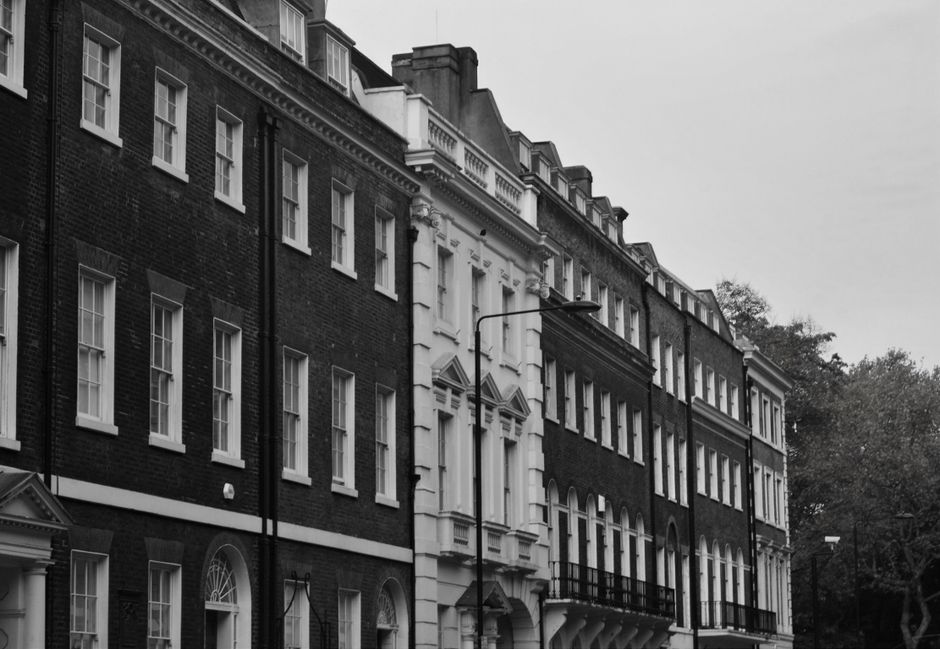
Marylebone is one of those London areas where the charm is obvious the moment you arrive: elegant terraces, converted flats, mews properties, and streets that look beautiful in the morning light. But beauty and practicality are not always best friends. Narrow roads, limited stopping space, controlled parking, busy delivery windows, and stairwells that seem to have been designed by someone with very long legs all make removals more complicated than they first appear.
That matters especially for pianos and fragile belongings. A piano is not just heavy. It is sensitive to tilt, vibration, moisture, and sudden impact. Fragile items such as mirrors, glass tables, artwork, ceramics, lamps, and electronics need a calm, methodical approach. On narrow streets, the risk is not only the item itself but the journey from room to vehicle to destination. One wrong angle at a doorway, one rushed carry down a tight staircase, and you have a problem no one wants.
In our experience, the biggest issue is usually not brute strength. It is planning. A well-prepared move can make a challenging street feel manageable. A poorly prepared one can make even a short local move feel endless. To be fair, that is true for most removals, but in Marylebone it becomes much more noticeable because the margin for error is slim.
If you live near Baker Street, Chiltern Street, Portman Square, or anywhere close to the busier central routes, it is worth treating the move as a small operation rather than a simple lift-and-load job. That mindset alone saves a lot of stress.
How Piano and fragile removals on Marylebone's narrow streets Works
The process usually starts with an assessment. A proper move plan considers the size and weight of the piano or fragile items, the number of stairs, whether there is lift access, how wide the hallway is, where the van can stop, and whether there are any time restrictions. Even a modest upright piano can become awkward if there is a tight corner or a doorway that forces a turn at an uncomfortable angle.
The actual move often uses a combination of specialist trolleys, padded blankets, webbing straps, corner protectors, and careful manual handling. For delicate items, good packing is half the battle. Glass should be wrapped and boxed properly. Paintings and mirrors need protection at edges and corners. Electronics should be disconnected, labelled, and secured so they do not shift during transit. A piano, meanwhile, should be prepared with protective wrapping, careful lid management, and the right lifting technique from the first step to the last.
The route matters too. On Marylebone's narrower streets, a removal van may need to be positioned a little further away than ideal, simply because of access and parking realities. That means the team may need to carry items a longer distance than they would on a wide suburban road. It sounds simple, but it changes the whole rhythm of the move. A few extra metres across a pavement can matter when you are moving something valuable and fragile.
Specialist teams also think about sequence. The heaviest and most awkward item should usually be moved when the crew is fresh, the path is clear, and the van space is ready. Fragile items are often loaded after the large protective pieces are secured, so there is less risk of compression or shifting. That part is not glamorous, but it is exactly where a good move separates itself from a careless one.
Key Benefits and Practical Advantages
When handled properly, this kind of move offers more than just safe transport. It can reduce stress, save time, and lower the chance of costly damage. Here are the most meaningful advantages.
- Better protection for valuable items: Specialist packing and handling reduce the risk of chips, scratches, knocked pedals, broken legs, or internal damage.
- Less disruption in tight streets: Coordinated loading means fewer delays on roads where stopping space is limited and neighbours still need access.
- Cleaner, calmer logistics: A planned route, organised crew, and correct equipment mean fewer last-minute surprises.
- Reduced strain on the property: Tight staircases and narrow hallways are less likely to suffer scuffs, knocks, and wall damage when items are moved properly.
- More predictable timing: A move that is planned around access, parking, and lift availability is usually easier to schedule and complete.
There is also a less obvious benefit: confidence. People relax when they can see the move is under control. You hear that first careful footstep, the wrap being tightened, the quiet instructions between movers, and suddenly the whole thing feels less scary. Small thing, maybe. But important.
If you are weighing options, it can help to compare a general team with a more specialist approach. For local support, many customers also look at furniture removals in Marylebone, flat removals for upper-floor properties, or broader removal services in Marylebone depending on what else is being moved alongside the piano.
Who This Is For and When It Makes Sense
This service is for anyone moving something that is either heavy, delicate, awkward, or all three. That usually includes piano owners, families with fragile furniture, landlords clearing furnished flats, students with valuable instruments, interior designers moving specialist pieces, and anyone relocating from or to an upper-floor flat in the area.
It makes sense when:
- the item is too valuable to leave to an improvised move;
- the building has narrow stairs, small landings, or no lift;
- parking near the property is difficult or controlled;
- the move involves both bulky and fragile items;
- you want to avoid damage to the item, the building, or both;
- the schedule is tight and a delayed move would create knock-on issues.
Some people assume piano removals are only for grand pianos or concert-quality instruments. Not really. An upright piano in a second-floor flat can be every bit as tricky if the access is awkward. Likewise, a few fragile items can require more care than an entire box room of ordinary belongings. The risk is not always about size. It is about sensitivity and access together.
If you are unsure whether your move needs specialist handling, a good rule is simple: if you would be nervous carrying it yourself down the stairs, it probably deserves a proper plan.
Step-by-Step Guidance
Here is the practical flow that usually works best on Marylebone's narrower roads.
- List every item that needs special care. Include pianos, mirrors, framed art, marble-topped tables, glass shelving, antique cabinets, and electronics.
- Measure access points. Note door widths, stair turns, lift dimensions, ceiling heights, and any awkward corners.
- Check parking and stopping options. On busy streets, where the vehicle can sit is almost as important as what it is carrying.
- Decide what needs specialist packing. Some items can be wrapped and boxed; others need crate-style protection or extra padding.
- Separate the move into categories. Heavy, fragile, sentimental, and ordinary items should not all be handled the same way.
- Prepare the property. Clear floors, protect corners, and keep hallways free of coats, shoes, and loose clutter. It sounds obvious. People still forget.
- Load in the right order. Large secure items first, fragile items in stable positions, and loose pieces only once they can be locked into place.
- Confirm destination access too. A smooth departure is only half the job; arrival can be just as tricky.
A useful detail many people miss: if you are moving both a piano and boxes of glassware, do not let the fragile boxes get buried behind heavy furniture. The route from van to room at the new address may be just as tight as the first property. Keep the essentials accessible.
For people moving quickly, there is also value in checking same-day removals in Marylebone and man with a van options in Marylebone if the job is smaller but still needs a careful hand. Not every move needs a large crew, but every move does need the right crew.
Expert Tips for Better Results
Here is where local experience makes a noticeable difference. Marylebone's narrow streets reward calm planning and punish improvisation.
- Book the access, not just the vehicle. If parking is uncertain, build extra time into the plan. That small buffer can stop the whole move from feeling rushed.
- Protect the building as well as the item. Stair rails, bannisters, thresholds, and painted walls are just as vulnerable as the piano.
- Keep the instrument stable and dry. Sudden rain, cold draughts, or condensation are not ideal for pianos and certain fragile items. London weather, as ever, likes to keep you guessing.
- Use the right team size. Two people may be enough for a small, straightforward job, but awkward staircases often require extra hands for safer manoeuvring.
- Label fragile boxes clearly, but realistically. Marking everything as fragile is not much help. Be specific about what is inside and which way it should face.
- Do not rush the final positioning. A piano should be placed carefully, checked for level, and left in a sensible spot to settle.
One small but useful tip: photograph the item before packing. If there is a scratch or pre-existing mark, you will know what was already there. That is just good housekeeping. A bit dull, but handy.
Also, if you are combining a larger household move with delicate items, it can help to review house removals in Marylebone or packing and boxes support so the whole job is organised as one process rather than a series of disconnected tasks.
Common Mistakes to Avoid
Most problems on these moves come from a handful of avoidable mistakes. You can usually spot them from a mile off.
- Underestimating access: People focus on the item and forget the hallway, stairs, lift, or roadside space.
- Poor measuring: A piano that fits the room may still not fit through the doorway on a sensible angle.
- Using thin or mismatched packing materials: A blanket and some tape is not the same as proper protective wrapping.
- Trying to move too much at once: Overloading the team or the van can lead to careless handling.
- Ignoring timing: Busy school runs, delivery periods, and resident parking pressure all matter on Marylebone streets.
- Forgetting insurance questions: You should understand what is covered and what conditions apply before the move starts.
Another common slip is assuming all fragile items can be handled the same way. A ceramic vase, a standing mirror, and a framed print do not need identical protection. They each fail in their own annoying way. Sorry, but that is the truth.
It is also easy to focus only on the outbound journey and forget the arrival. I have seen moves go perfectly until the new property, where a tight landing or awkward front step created the real headache. Plan both ends. Always both ends.
Tools, Resources and Recommendations
The right tools do not make the job effortless, but they make it far safer. For piano and fragile removals, you are usually looking at a mix of physical protection and logistical support.
| Tool or resource | What it helps with | Why it matters |
|---|---|---|
| Padded blankets and wraps | Protecting surfaces and corners | Reduces scratches, knocks, and scuffs during carrying and loading |
| Straps and lifting aids | Safe handling and balance | Helps movers keep weight controlled on stairs and narrow turns |
| Specialist packing materials | Fragile item protection | Prevents movement inside boxes and reduces breakage risk |
| Removal van with secure loading area | Transport stability | Stops items shifting while driving through central London |
| Storage options | Temporary holding of items | Useful when access dates do not line up neatly |
If your move is part of a larger project, you may also want to look at storage in Marylebone, especially if the new property is not quite ready. That can be a sensible short-term bridge, particularly for fragile items that should not be rushed.
For readers planning a local move around central routes, removal van hire in Marylebone and general removals in Marylebone are useful starting points for understanding the kind of support available. And if you want to compare budgets, the page for pricing information is worth a look before you make decisions.
Law, Compliance, Standards, or Best Practice
With delicate removals and piano transport, the legal side is usually less about a single special rule and more about doing ordinary things properly. That means safe manual handling, careful transport, sensible insurance arrangements, and respect for local access and parking conditions.
In the UK, reputable removal work is expected to follow sound health and safety practice. That includes assessing the weight and route before lifting, using enough people for the job, and avoiding unsafe carrying methods on stairs or uneven ground. Good firms should also be clear about their insurance approach and any limits that apply. That is not bureaucracy for its own sake. It is what helps prevent damage and disputes.
You should also expect clear communication. If access is awkward, say so early. If there are loading restrictions, mention them. If the item is antique, sentimental, or unusually valuable, say that too. Honest detail up front is not over-sharing; it is risk management.
If you want reassurance on general standards and company policies, the site pages on health and safety policy, terms and conditions, and privacy policy can help set expectations before a booking. And for broader trust signals, the about us page is also useful when you want to know who you are dealing with.
The practical standard, in plain terms, is simple: no rushed lifting, no vague promises, no guessing games. That is the baseline.
Options, Methods, or Comparison Table
Not every piano or fragile move needs the same level of service. The right option depends on access, quantity, and how much risk you are comfortable carrying yourself.
| Method | Best for | Pros | Trade-offs |
|---|---|---|---|
| Specialist piano removal | Uprights, grands, and valuable instruments | Expert handling, better protection, reduced risk | Usually more involved to arrange |
| General furniture removal with careful packing | Mixed household moves with one or two fragile items | Efficient and practical for smaller jobs | Not ideal for highly sensitive or antique pieces |
| Man and van service | Smaller moves with limited access | Flexible, often useful for local transfers | May not suit heavier specialist items alone |
| Storage-first approach | Moves with date gaps or renovation delays | Buys time and reduces pressure | Extra handling and an additional stage to manage |
For a lot of Marylebone moves, the answer is not either/or. It is a mix. A piano may need specialist care, while boxed books and soft furnishings can travel with a more standard load. That combination keeps the move efficient without compromising the delicate pieces.
If you are comparing broader local options, man and van services in Marylebone and removal companies in Marylebone are worth considering alongside specialist support, especially if the move is a hybrid one.
Case Study or Real-World Example
Picture a typical Marylebone move: a second-floor flat near a narrow residential street, one upright piano, two framed mirrors, a lamp with a fragile ceramic base, and a dining table with a glass top. The access is not dreadful, but it is tight. The hallway bends sharply near the front door, and parking on the street is limited to a short stopping window.
The successful version of this move starts the day before. The movers check the route, confirm the lifting plan, and pack the fragile items separately from the heavier furniture. The mirrors are wrapped with edge protection. The lamp is boxed with padding above and below. The piano is covered, secured, and moved only once the path is clear. Nothing fancy, just disciplined. A little boring, honestly, which is exactly what you want.
On the day, the team keeps the corridor clear, protects the doorway, and moves slowly around the staircase turn. The van is loaded in an order that keeps the piano stable and prevents the fragile items from being compressed. At the destination, they repeat the same care in reverse, taking time with the final placement rather than dropping everything into the nearest available space.
The lesson is straightforward: most successful Marylebone removals are won before the first box is lifted. Not dramatic, but true. Planning wins.
Practical Checklist
Use this checklist before moving day. It keeps the work grounded and stops the obvious things from slipping through the cracks.
- Measure doorways, stairs, and lift access at both addresses
- Confirm where the vehicle can stop safely and legally
- List every fragile and valuable item separately
- Decide whether the piano needs specialist handling
- Pack mirrors, glass, artwork, and ceramics with proper padding
- Clear hallways, landings, and entry points
- Protect floors and corners where needed
- Check what insurance and safety arrangements apply
- Keep essential documents and keys easy to reach
- Set aside a buffer for delays, especially on tight streets
- Make sure the new address is ready before the van leaves
Expert summary: The best piano and fragile removals are not the fastest ones. They are the ones that feel calm, measured, and well-rehearsed. If you want that outcome in Marylebone, think route first, packing second, lifting third.
Get a free quote today and see how much you can save.
Conclusion
Piano and fragile removals on Marylebone's narrow streets call for patience, planning, and the right kind of equipment. The job is perfectly manageable, but only when access is thought through carefully and the packing matches the value of what is being moved. Whether you are moving a cherished upright piano, a set of antique mirrors, or a few very breakable household pieces, the principle is the same: reduce the number of surprises.
If you prepare well, choose the right level of help, and keep both the building and the items in mind, the move becomes much less stressful. And if you are standing in a hallway at 8:15 in the morning wondering whether that piano will really make the turn, take a breath. It usually will, with the right plan. Bit by bit, move by move.
For many people, that is the real relief: not just getting items from A to B, but knowing they arrived in one piece, without drama, and with the day still feeling manageable. That is a good move. A proper one.
Frequently Asked Questions
What makes piano removals in Marylebone different from a normal move?
Piano removals are different because the item is heavy, awkward, and sensitive to tilt and impact. In Marylebone, narrow streets, limited parking, and tight staircases add another layer of complexity, so the move needs more planning than a standard furniture job.
Can fragile items be moved at the same time as a piano?
Yes, they can, as long as the packing and loading order are handled properly. Fragile items should be protected separately and positioned so they are not crushed or shifted by heavier loads. Good sequencing matters a lot.
Do I need a specialist for an upright piano?
Not always, but it is often a sensible choice if the access is awkward or the piano is valuable. Even upright models can be surprisingly difficult to carry safely through narrow hallways and stair turns.
How far in advance should I book this kind of move?
As early as you can. Narrow streets and parking pressure can make last-minute arrangements harder, especially if you need specialist handling. If the move is urgent, it is still worth asking about available short-notice options such as same-day support.
What if my building has no lift?
That is common in central London, and it does not rule out the move. It just means the route, manpower, and carrying technique need to be planned more carefully. Stairs increase both handling risk and the time needed.
Will a removal van be able to park near my flat?
Sometimes yes, sometimes no. On Marylebone's narrower streets, the vehicle may need to stop a little further away than ideal. That is why checking access in advance is so important. The move can still work well, but the distance matters.
How should I pack glass, mirrors, and artwork?
Use proper wrapping, strong boxes, corner protection, and clear labelling. Mirrors and framed art should be padded so they do not move inside the wrap or box. If the item is unusually valuable, ask for specialist packing advice.
Is insurance important for fragile removals?
Yes. You should always understand what cover is in place before the move starts. Insurance does not replace care, but it does provide reassurance if something goes wrong. A quick check beforehand is worth it.
What is the biggest mistake people make with piano moves?
The most common mistake is underestimating access. People measure the piano but forget the doorway, corridor, stair angle, or parking situation. The item is only one part of the puzzle.
Can I combine piano removals with a full house move?
Absolutely. In fact, it is often more efficient to combine them, provided the fragile items are packed and labelled properly. You may want to look at house removals in Marylebone if the move involves more than just the instrument.
How do I know whether I need storage first?
If your new property is not ready, the access is not confirmed, or you need time to stage the move, storage can be a practical option. It is especially helpful when fragile items should not be rushed. A short pause can save a lot of hassle.
Where can I compare prices or get a quote?
You can review the pricing information and then decide what level of support fits your move. For many people, comparing options first makes the whole process feel less uncertain. It is a small step, but a useful one.