Furniture disposal laws in Marylebone and W1
Posted on 29/07/2026
Furniture disposal laws in Marylebone and W1: a practical guide for residents, landlords, and movers
If you are clearing a flat, replacing a sofa, or dealing with leftover items after a move, Furniture disposal laws in Marylebone and W1 can feel oddly complicated for something as ordinary as an old armchair. The rules are not there to make life difficult; they exist to keep pavements clear, reduce fly-tipping, and make sure bulky waste is handled safely and properly. In a busy part of central London, that matters more than most people realise.
This guide breaks the topic down in plain English. You will learn what usually counts as compliant disposal, where people go wrong, how to plan a legal removal, and which practical options make sense in Marylebone and the wider W1 area. We will also cover common situations like end-of-tenancy clearances, office furniture, and those awkward "it's too big for the bin" items that always seem to appear at the worst time.
Why Furniture disposal laws in Marylebone and W1 Matters
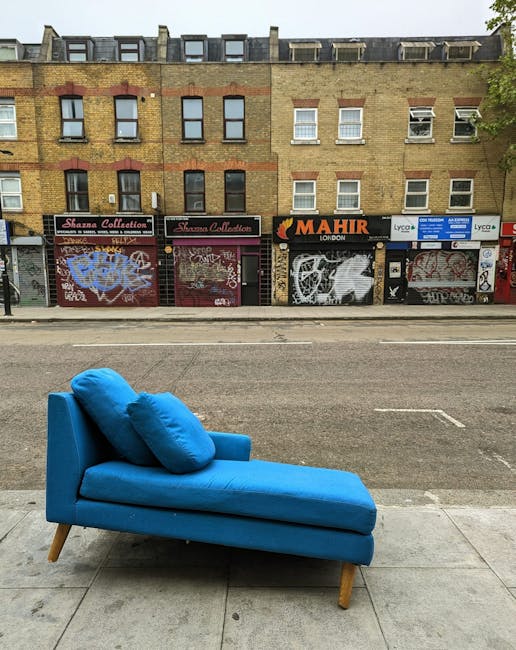
Marylebone and the wider W1 district are dense, high-traffic, and full of properties where storage is limited. That combination makes furniture disposal more than a simple "put it outside" job. A dining table left on the pavement, for example, can obstruct pedestrians, create a hazard for wheelchair users, and very quickly become a nuisance if it is not collected legally and promptly.
There is also the very real issue of enforcement. If furniture is dumped in the wrong place, or handed to someone who is not properly licensed, the responsibility can come back to the person who arranged it. People often assume that once an item leaves their flat, their job is done. Truth be told, that is not always how it works.
In practical terms, knowing the rules helps you avoid:
- unexpected fines or enforcement action
- fly-tipping problems on shared streets or in communal areas
- damage to entrances, stairwells, lifts, and pavements
- last-minute stress during a move-out or refurbishment
- misunderstandings with landlords, managing agents, or neighbours
If you are already planning a move, it can be useful to read about house removals in Marylebone or the wider Marylebone removals W1 service area, because disposal and removal planning often overlap more than people expect.
How Furniture disposal laws in Marylebone and W1 Works
At a practical level, furniture disposal in Marylebone and W1 usually comes down to three questions: where the item is being left, who is collecting it, and whether the collection method is lawful and suitable for the type of waste.
In the UK, furniture is generally treated as bulky waste or household waste depending on the item and the route used to remove it. The key is not the label itself, but whether the disposal method is authorised, safe, and sensible for your building and street layout. In central London, that often means careful timing, correct loading, and avoiding obstruction.
Here is how it usually plays out in real life:
- You identify the item. A sofa, wardrobe, bed frame, desk, or mattress may need special handling because of its size or material.
- You decide whether it can be reused, recycled, or removed as waste. That decision changes the best disposal route.
- You check building rules. Some blocks have service lift restrictions, porter requirements, or collection access limitations.
- You arrange a lawful collection. This could be via a licensed removal provider, a council-approved route, or another compliant method depending on the item and circumstances.
- You keep access and safety in mind. Narrow staircases, controlled parking, and tight loading zones are routine in W1, so planning matters.
In Marylebone, disposal is rarely just about the item itself. It is about the route, the timing, the access, and the paperwork trail. That sounds a bit bureaucratic, and yes, sometimes it is. But once you understand the flow, it becomes much easier to manage.
If your clearance is part of a broader property handover, the pages on flat removals in Marylebone and office removals in Marylebone can help you think about disposal alongside the rest of the move.
Key Benefits and Practical Advantages
Following the right disposal process is not just about staying out of trouble. It actually saves time, money, and a surprising amount of frustration.
1. Cleaner handovers
Landlords, tenants, and buyers all benefit when rooms are cleared properly. A clean handover can reduce disputes and help property transitions move more smoothly.
2. Less risk of rejected collections
Collections go wrong when items are left in inaccessible spots or prepared badly. If you have ever tried turning a wardrobe around a tight Marylebone staircase, you will know why this matters.
3. Better recycling outcomes
Some furniture can be broken down, reused, or diverted from landfill. Choosing a responsible route supports broader sustainability goals and often feels like the right thing to do anyway.
4. Safer buildings and pavements
Large items left in shared hallways or near entrances can create trip hazards. Properly managed disposal reduces avoidable accidents.
5. Reduced stress on moving day
When disposal is built into the plan, you are not scrambling with a mattress at 8pm because the keys need to be handed back in the morning. We have all seen that kind of scramble. Not fun.
For people comparing ways to organise the job, a useful starting point is the information on furniture removals in Marylebone and the broader removal services in Marylebone overview.
Who This Is For and When It Makes Sense
This topic matters to more people than you might think. It is not just for people moving house. In Marylebone and W1, furniture disposal laws and practical rules come into play for:
- tenants leaving a rental property
- landlords clearing after a tenancy
- homeowners replacing bulky items
- estate agents preparing a property for sale or let
- office managers disposing of desks, chairs, and storage units
- students moving out of compact flats
- people dealing with inherited or long-stored furniture
It also makes sense if you are working to a deadline. End-of-tenancy dates, completion days, contractor visits, and building access windows can all arrive at once. That is usually when people discover they need a plan, not just a van.
If you are in that position, the service pages for man and van in Marylebone and man with a van in Marylebone may be useful alongside disposal planning.
And if the job is urgent, yes, same-day support can be the difference between a tidy handover and a last-minute headache. Sometimes the whole thing starts with "we only have one chair left" and ends with three loads of furniture. It happens.
Step-by-Step Guidance
Here is a sensible, practical way to handle furniture disposal in Marylebone and W1 without tripping over avoidable problems.
- List everything that needs to go. Walk room by room and note the items. Include awkward pieces like headboards, drawers, or dismantled wardrobe sections.
- Separate reusable items from waste. If something is clean and functional, consider whether it can be reused rather than thrown away.
- Check building access. Measure lifts, stair turns, front doors, and hallway bottlenecks. In older buildings, this step saves arguments later.
- Confirm what can be collected and how. Some items need dismantling, protection, or special handling before collection.
- Decide on the right disposal route. Use a lawful, traceable option that fits the item size and location.
- Schedule the timing carefully. In central London, parking and access windows can matter as much as the collection itself.
- Keep proof of what was arranged. A written booking, invoice, or service confirmation can be helpful if questions arise later.
- Prepare the items properly. Remove personal items, detachable shelves, cushions, and loose fittings where sensible.
A small but important point: do not wait until the final hour to decide. Furniture disposal gets much easier once you treat it like part of the move rather than an afterthought.
If you need help with the practical side of moving and clearing, it may also be useful to read about packing and boxes in Marylebone, since packing often reveals the real volume of what must go.
Expert Tips for Better Results
After enough London clearances, a few patterns become obvious. These are the tips that genuinely make a difference.
- Measure before you move. A sofa that "definitely fits" sometimes absolutely does not fit, especially on narrow stairs.
- Dismantle where it helps. Beds, shelving, and flat-pack items are usually easier to manage in parts.
- Protect communal areas. Lift doors, wall corners, and lobbies get scratched very easily. A little care goes a long way.
- Match the vehicle to the job. Overloading or using the wrong size vehicle can turn a simple collection into a messy two-hour delay.
- Plan around traffic and parking. W1 is not the place for casual assumptions about loading space. It rarely goes well.
- Think in terms of sequence. Remove large furniture first, then medium items, then the smaller pieces and waste bags.
One more thing: if the item is valuable, antique, or fragile, disposal may not be the right word at all. It may be better to arrange storage, specialist moving, or resale. A careful eye saves expensive mistakes.
For awkward or delicate items, piano removals in Marylebone and the guide to piano and fragile removals on Marylebone's narrow streets offer relevant context, even if your item is not a piano. The principle is the same: protect the item, protect the building, protect the access route.
Common Mistakes to Avoid
Most disposal problems are not dramatic. They are just small oversights that snowball.
- Leaving furniture in the street without checking the process. That is the classic mistake and a risky one.
- Assuming anyone with a van can handle waste. They may be able to move furniture, but disposal and transport rules still matter.
- Ignoring building rules. Some blocks have restrictions on when and how large items can be moved.
- Forgetting about access height or width. One wrong measurement can derail the whole plan.
- Mixing waste with reusable furniture. This can make sorting slower and less efficient.
- Not allowing time for dismantling. A bed frame never seems complicated until the wrench goes missing.
- Choosing the cheapest option without checking what is included. Cheap can become expensive fast if collections are incomplete or delayed.
To be fair, most people make at least one of these mistakes the first time. The aim is not perfection. It is just avoiding the expensive ones.
If pricing is part of your decision, the article on avoiding surprise fees in Marylebone removals is a sensible companion read.
Tools, Resources and Recommendations
You do not need a huge toolkit to manage furniture disposal well, but a few simple items help a lot:
- a tape measure for doors, lifts, and stair turns
- basic tools for dismantling beds and shelving
- protective blankets or covers
- gloves for handling broken fittings or sharp edges
- labels or sticky notes for separating keep, donate, and dispose piles
On the planning side, these website pages are especially relevant if you are organising a disposal-heavy move:
- services overview for seeing the wider range of support
- pricing and quotes for understanding how jobs are usually assessed
- our prices if you want a straightforward look at the cost structure
- recycling and sustainability for responsible disposal thinking
- insurance and safety if you are worried about handling, access, or damage
For people dealing with a mixed clearance, the pages on storage in Marylebone and removal van options in Marylebone can also be useful. Sometimes the best answer is not immediate disposal; it is temporary storage while you decide what stays and what goes.
Law, Compliance, Standards, or Best Practice
Furniture disposal law in practice is about lawful handling, responsible transport, and avoiding unlawful dumping. The exact obligations can vary depending on the item, the route used, and the circumstances of the property. So, rather than pretending every case is identical, it is better to use a cautious, compliance-first approach.
As a general best practice in Marylebone and W1, you should aim for:
- traceability - know who collected the furniture and when
- safe handling - protect people, property, and access routes
- lawful disposal - avoid fly-tipping or informal dumping
- responsible sorting - recycle or reuse where possible
- clear communication - especially where landlords, neighbours, or building managers are involved
In practical terms, a compliant service will usually be transparent about collection, transport, and where your items are going next, at least in broad terms. That transparency matters. If something feels vague, messy, or too casual, slow down and ask more questions.
It is also worth noting that commercial properties, landlords, and managing agents may have additional standards around waste transfer, contractor access, and insurance. A simple sofa removal in a private flat is one thing. Clearing a furnished office after a lease end is another.
Options, Methods, or Comparison Table
Here is a simple comparison of common ways people handle furniture disposal in Marylebone and W1.
| Method | Best for | Pros | Watch-outs |
|---|---|---|---|
| Reuse or donate | Usable furniture in good condition | Less waste, often the most responsible option | May require time, condition checks, and transport planning |
| Licensed removal service | Mixed clearances, bulky pieces, move-related disposal | Convenient, structured, suited to tight access | Quality varies, so confirm what is included |
| DIY disposal | Smaller loads and straightforward access | Can be flexible if you have transport and time | Heavy lifting, parking, and compliance issues can be awkward |
| Temporary storage first | When you are undecided or waiting on completion | Buys time, reduces rushed decisions | Costs more if items sit unused for too long |
In Marylebone, the "best" method is usually the one that fits the building, the deadline, and the item type. A quiet basement flat on a weekday morning is one scenario. A fifth-floor walk-up off a busy street is another. Same furniture, different reality.
Case Study or Real-World Example
Imagine a resident in a Marylebone apartment who is moving out at the end of the month. They have a bed base, two wardrobes, a dining table, and an old office chair. At first glance, it looks manageable. Then the details appear: the lift is too small for the wardrobe panels, the street has limited stopping space, and the landlord wants the flat empty by lunchtime.
What works best in that situation is a staged plan:
- measure and dismantle the wardrobes first
- separate reusable items from genuine waste
- book a vehicle that can handle bulky pieces without multiple wasted trips
- protect the communal hall on the way out
- keep the disposal process aligned with the move-out deadline
The resident avoids leaving anything on the pavement, avoids blocking the entrance, and hands back the keys with the property fully cleared. Simple enough on paper, but in real life that sort of planning saves a headache. A proper one.
That is also why pages like bulky item disposal after a Marylebone move and best Marylebone removals for Chiltern Street flats are useful reading when you are working through a real clearance, not just theory.
Practical Checklist
Use this checklist before disposal day. It keeps the whole thing calmer.
- Have I listed every furniture item that needs to go?
- Have I checked whether any item should be reused, donated, or stored instead?
- Have I measured doors, stairs, lifts, and loading access?
- Have I confirmed building rules, timing restrictions, and access arrangements?
- Have I separated personal belongings from the furniture?
- Have I dismantled items where practical and safe?
- Have I arranged a lawful collection method?
- Have I kept a record of the booking or agreement?
- Have I considered recycling or responsible reuse?
- Have I built in a little extra time for delays?
That last one matters more than people admit. London timing is rarely as neat as the spreadsheet says it will be.
Conclusion
Furniture disposal laws in Marylebone and W1 are really about keeping disposal safe, lawful, and considerate in a busy part of London. Once you understand the practical side - access, responsibility, timing, and the difference between disposal and dumping - the whole process becomes much less intimidating.
The smartest approach is usually the simplest one: plan early, measure properly, use a compliant collection route, and make sure the furniture leaves your property in a way that protects you, the building, and the street outside. Do that, and what looked like a headache becomes just another part of a well-run move.
If you are planning a clearance or move in the area, it is worth exploring the related local pages on removals in Marylebone and removal companies in Marylebone to see how disposal can fit into the wider job.
Get a free quote today and see how much you can save.
And if you can, give yourself a little extra breathing room. The best clearances are the calm ones, not the frantic ones.